



Black & Grey tattooing, as it is understood today, has a specific historical origin, even though its visual logic (working only with black pigment and tone) appears in many cultures. Based on tattoo history research, first-hand accounts, books, documentaries, and oral histories, here is the most widely accepted origin and evolution of the modern Black & Grey tattooing style.
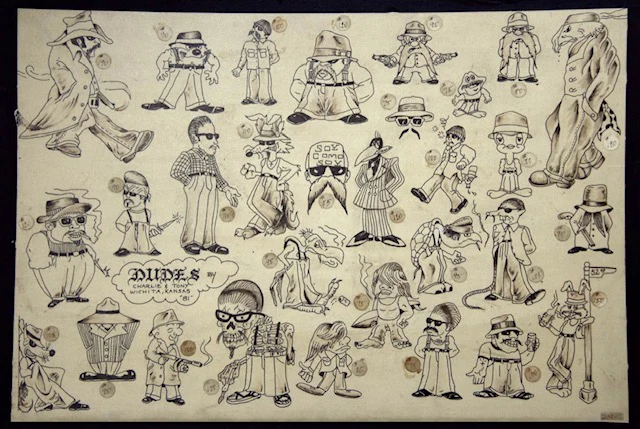
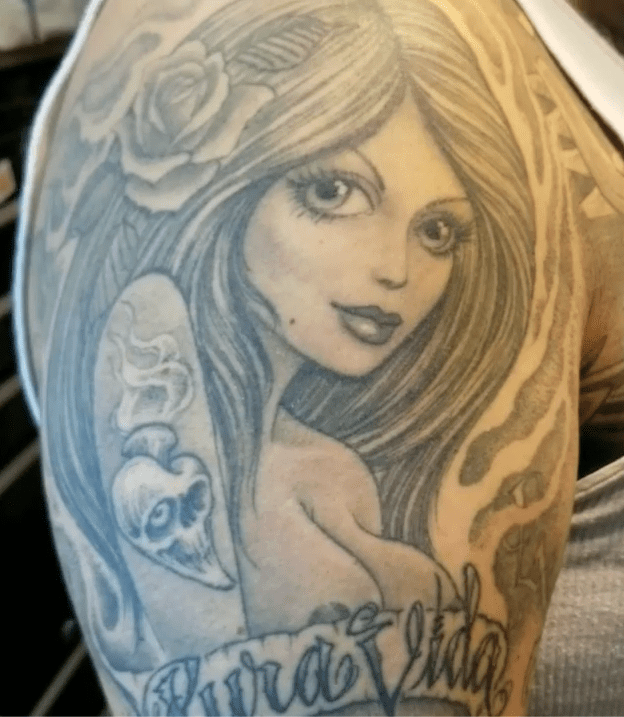
Historical Origin: Chicano & Prison Tattoo Culture (California, 1940s–1970s)
The modern Black & Grey tattoo style originated in Southern California, particularly within the Mexican-American (Chicano) communities and California state prisons, most notably the Los Angeles county jail system. This is not speculative; it is consistently documented in tattoo history books, interviews with pioneering artists such as Jack Rudy and Freddy Negrete, documentaries like “Tattoo Nation” and “LA Originals,” and writings by tattoo historians such as industry legend Don Ed Hardy.
Why Black & Grey Emerged? (Material Reality)
- Limited Access to Materials in Prison: Tattoo ink was simply unavailable.
- Artists improvised pigment using burned baby oil or Vaseline (soot), mixed with water, shampoo, or toothpaste.
- The result was relying on black pigment only to create variation.
- Ink was diluted with water to create tones of grey.
- Artists worked in tone, layering, and softness. This necessity forced a tonal language rather than color.
- Single-Needle Innovation: Artists used guitar strings, sewing needles, and homemade tattoo machines.
- This led to extremely fine linework and subtle gradient shading.
- Limitations directly shaped the aesthetic: It brought soft shadows, more realistic images, emotional depth, iconography, and narrative roots. Black & Grey wasn’t just a technique—it was storytelling.
Common themes included:
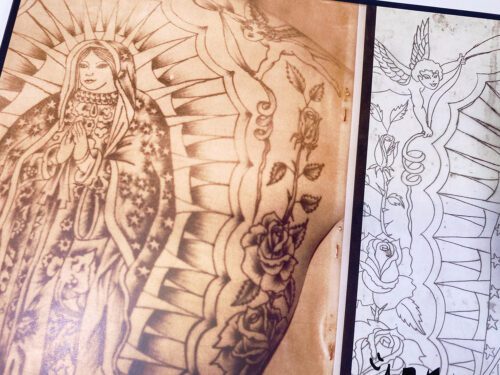
- Catholic imagery (Virgin Mary, Jesus, saints).
- Mourning portraits, family memorials, gang identity, lowriders, clowns, roses.
- Prison life, faith, loss, and redemption.
These images were personal, emotional, symbolic, and often devotional. This emotional weight remains a defining trait of the style.
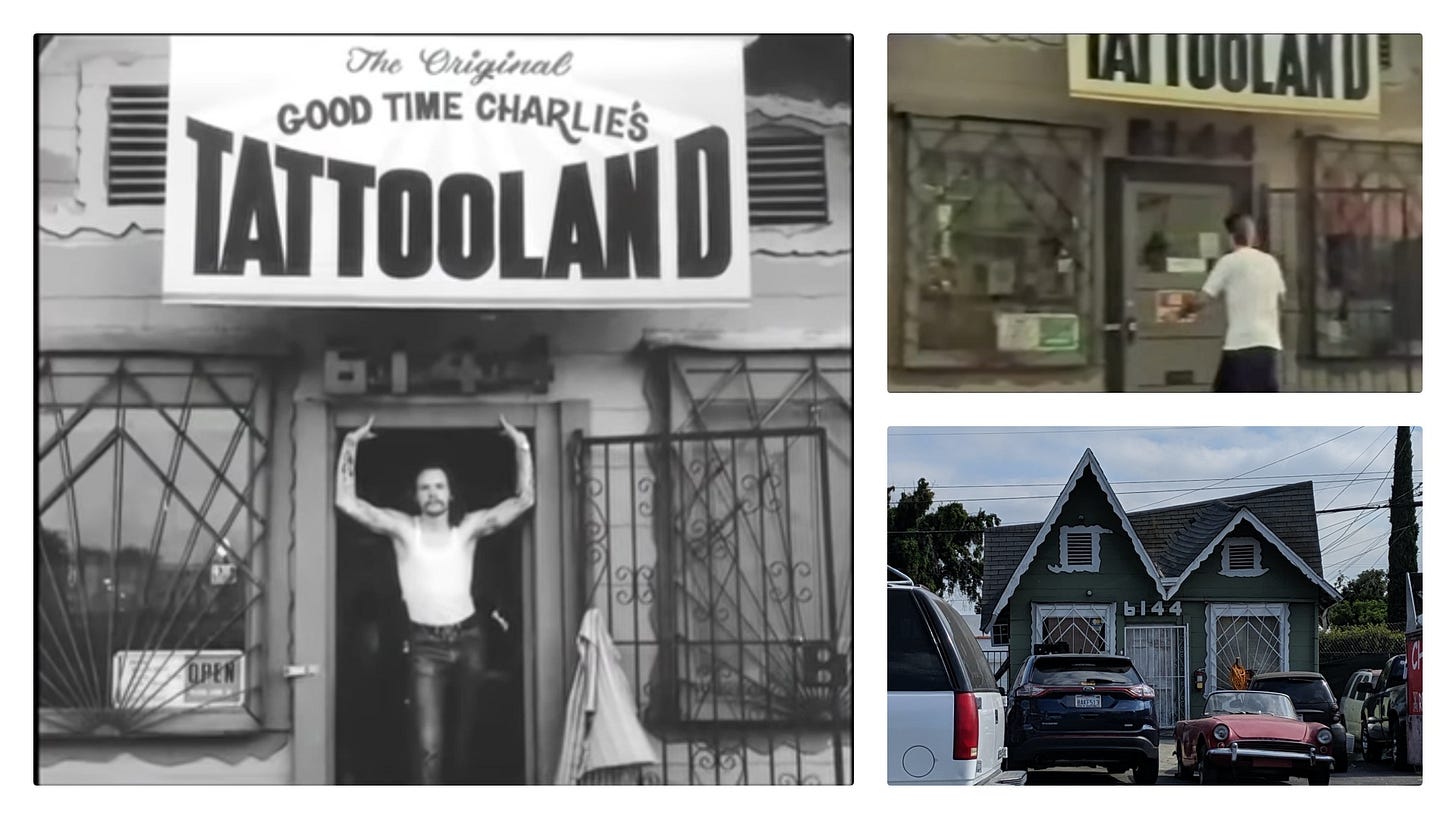
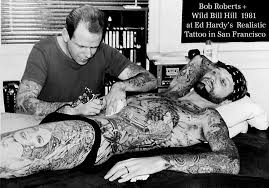
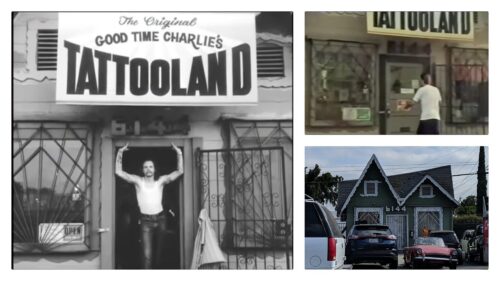
Street shop tattooers began incorporating the imagery used in prison to create tattoos, and soon the style moved into more professional settings such as Good Time Charlie Cartwright’s tattoo shop in East Los Angeles.
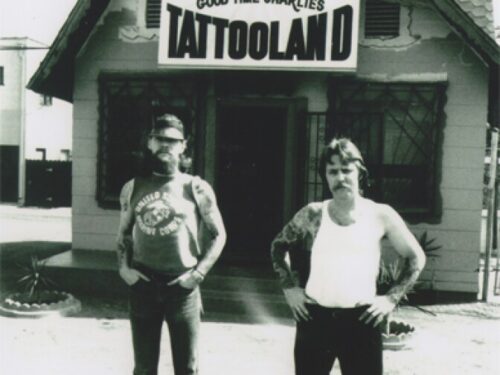
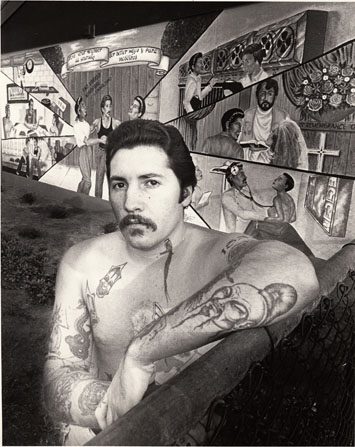
Here, two of the pioneers of black & grey tattooing, Jack Rudy and Freddy Negrete, shaped this style for the next decades. They also popularized the single needle technique in professional tattoo shop settings. This technique was brought from the penitentiary style of tattooing, and once it merged with improved tattoo equipment like rotary and coil tattoo machines, better needles, and pigments, it became the base of what we today call Black & Grey Realism.
Expansion into Realism & Fine Art Influence (1980s–1990s)
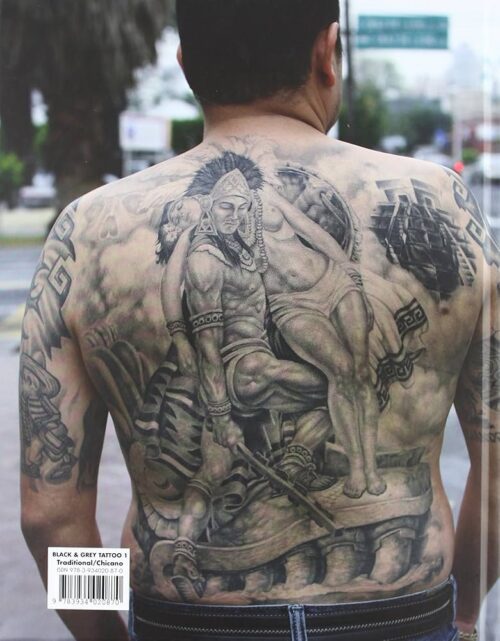
As equipment improved with the advancement of rotary and coil machine manufacturing, proper tattoo inks, and tattoo education via apprenticeships, tattoo magazines, and conventions, Black & Grey tattoo artists began absorbing new influences. They looked to photography, Renaissance chiaroscuro, classical drawing techniques, airbrush, graffiti, and illustration.
This is how modern portrait realism tattoos, hyper-realistic shading, and smooth tonal transitions began to emerge.
Important Clarification: Black & Grey and the “Ancient Tribal Practice”
While many ancient cultures used black ink—such as Polynesian, Japanese sumi, and Indigenous tattooing—these traditions are mostly line-based, symbolic, and pattern-driven. They do not share the tonal realism or shading logic of modern Black & Grey.
Therefore, the modern Black & Grey tattooing style is not ancient; it is part of the modern era, localized, and culturally specific.
Video Recommendation: Watch an interesting discussion about tattoo history between Jack Rudy and The Grime: Watch on YouTube.